
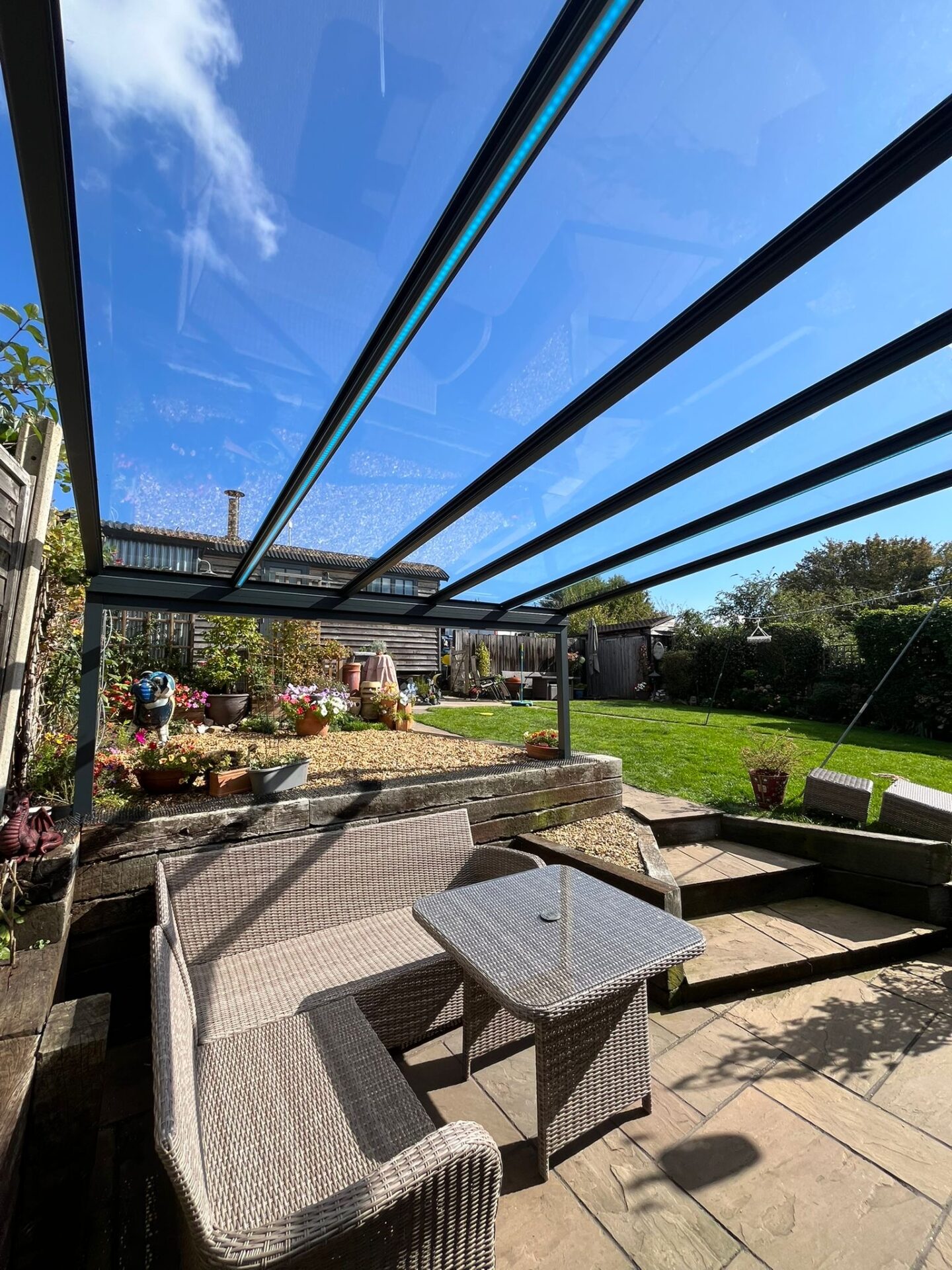
Across the UK, schools are no strangers to unpredictable weather. A bright morning can quickly turn into steady rain, and for headteachers, site managers and safeguarding leads, this creates a very real operational challenge. Break times, lunch periods and outdoor learning sessions do not disappear just because the weather changes. Supervision must continue, pupils still need fresh air, and staff must remain visible and effective in their roles. This is where properly designed shelter becomes far more than a convenience. It becomes an essential part of safe and structured school life.
At Indigo Verandas, we regularly speak to schools that are looking for practical ways to improve outdoor supervision without limiting children’s access to fresh air. The right shelter solution allows schools to maintain routine, protect staff and pupils, and ensure that safeguarding standards are upheld even during persistent rain.
The Reality of Wet Weather in UK Schools
In many parts of the UK, wet weather is not an occasional disruption. It is part of daily life. According to the Met Office, the UK experiences rainfall throughout the year, with certain regions seeing well over 100 days of rain annually. For schools, that can translate into dozens of wet break times each academic year.
Without adequate shelter, playground supervision becomes significantly more difficult. Staff are often forced to cluster under small overhangs or doorways, reducing their line of sight across the playground. Pupils may crowd near entrances to avoid getting wet, increasing congestion and the risk of slips or minor accidents. In some cases, schools bring pupils indoors entirely, which can lead to overcrowded corridors and classrooms.
Covered outdoor structures such as verandas or canopies help schools maintain order and visibility. They provide defined, dry zones where staff can supervise effectively while pupils still benefit from time outdoors.

Supervision and Safeguarding Go Hand in Hand
Safeguarding is at the heart of every school’s responsibility. Clear visibility, active supervision and controlled movement across school grounds are all critical components of a strong safeguarding culture.
When playgrounds are fully exposed to rain, supervision can become reactive rather than proactive. Staff may focus on managing discomfort rather than observing behaviour. Wet surfaces can distract attention as teachers monitor for slips and trips. In heavy rain, communication becomes more difficult, and staff may retreat towards entrances where they feel more protected.
Installing a covered area changes that dynamic. With shelter in place, supervisors can position themselves strategically across the playground, maintaining clear lines of sight and consistent interaction with pupils. Rather than managing the weather, staff can concentrate on behaviour, safety and engagement.
For schools that operate staggered breaks or have large pupil numbers, having defined covered areas also helps organise supervision zones more effectively.
Reducing Slip and Trip Risks in Wet Conditions
Wet playground surfaces increase the risk of slips and falls. Even with anti-slip surfacing, rain can create hazardous patches, particularly near building entrances where water pools or where pupils congregate.
Sheltered areas significantly reduce this risk. By providing dry zones for gathering, schools can minimise the number of children rushing towards doorways for cover. This reduces congestion and the likelihood of minor collisions.
Additionally, when pupils have access to sheltered outdoor areas, they are less likely to track large amounts of water back inside. This helps maintain safer indoor corridors and reduces the burden on cleaning and site teams.
The Health and Safety Executive offers guidance on managing slip risks in public spaces, and many of the same principles apply within educational settings. Covered structures form part of a preventative strategy rather than a reactive one.
Supporting Staff Welfare During Supervision

It is easy to focus solely on pupil safety, but staff welfare is equally important. Supervising in persistent rain is uncomfortable and can contribute to fatigue over time. Teachers and support staff who are regularly exposed to wet conditions may find it harder to remain focused and energetic throughout the day.
Providing sheltered supervision points demonstrates that a school values its staff as well as its pupils. Dry, protected areas allow supervisors to remain attentive and professional without battling the elements.
Over the course of an academic year, this can make a meaningful difference. Reduced exposure to harsh weather conditions supports staff morale and contributes to a more positive working environment.
At Indigo Verandas, we often see how a well-designed covered space becomes a natural supervision hub. Staff gravitate towards it not only because it provides shelter, but because it offers a clear vantage point across the playground.
Maintaining Outdoor Time in Line with Curriculum Expectations
Outdoor play and fresh air are widely recognised as essential for children’s development. The Department for Education emphasises the importance of physical activity and wellbeing as part of a balanced school experience.
When wet weather forces pupils indoors repeatedly, opportunities for movement and social interaction can be limited. This can impact concentration levels later in the day and increase restlessness in classrooms.
Sheltered playground areas allow schools to maintain outdoor break times even during light or moderate rain. Pupils remain active, routines are preserved, and the day flows more smoothly.
For primary schools in particular, where play-based learning and structured outdoor sessions are common, covered spaces provide flexibility. Teachers can continue activities without constant concern about sudden showers.
Improving Behaviour Management in Poor Weather

Behaviour management can become more challenging when outdoor time is restricted. Crowded indoor spaces during wet breaks often lead to increased noise levels and minor behavioural issues.
By contrast, covered outdoor areas give pupils a sense of freedom and space while still offering protection. The ability to remain outside reduces pressure on indoor facilities and supports calmer transitions back into lessons.
When supervision is consistent and visible under a sheltered structure, pupils are more likely to adhere to playground rules. Clear supervision zones make it easier for staff to address minor issues before they escalate.
In this way, installing a veranda or canopy is not simply a building project. It is a practical behavioural support measure that contributes to the overall culture of the school.
Creating Defined Supervision Zones
One of the often-overlooked benefits of shelter is how it helps structure playground layout. A covered area naturally becomes a focal point. It can serve as a meeting area, a quiet zone, or a designated space for certain year groups.
By intentionally positioning a veranda or canopy near entrances or along key walkways, schools can create clear supervision points. Staff can monitor movement between indoor and outdoor areas more effectively.
This structured layout is particularly beneficial in larger schools or those with split playgrounds. Rather than relying on ad hoc positioning during bad weather, supervision becomes planned and purposeful.
Over time, pupils also learn to associate certain areas with specific behaviours or expectations, reinforcing positive conduct.
Protecting Equipment and Reducing Long-Term Costs
Playground equipment, seating and storage areas are all vulnerable to the effects of persistent rain. Water damage can shorten the lifespan of benches, tables and outdoor learning resources.
Installing shelter helps protect these investments. Dry areas reduce maintenance demands and extend the usability of outdoor furniture. Schools can confidently use fixed seating or display boards without worrying about constant exposure to the elements.
While the initial installation of a covered structure represents a capital investment, it often reduces ongoing repair and replacement costs. Over several years, the practical benefits become clear.
Planning and Compliance Considerations
Before installing any permanent structure, schools must ensure compliance with local planning regulations and building requirements. In many cases, canopies and verandas on school grounds are permissible, but it is important to confirm details with the relevant local authority.
The Planning Portal provides general guidance on development requirements, and schools may also consult with their local council’s planning department to clarify any restrictions.
Working with experienced installers who understand educational settings can streamline this process. Proper design ensures that the structure meets safety standards, drainage requirements and accessibility considerations.
A Long-Term Investment in Safer Supervision

When considering improvements to school infrastructure, it is important to look beyond immediate needs. Shelter for playground supervision is not simply about staying dry during a shower. It is about supporting safeguarding, maintaining routine, improving behaviour and protecting both staff and pupils.
In a country where rain is part of everyday life, schools benefit enormously from having reliable, weather-resistant outdoor spaces. Covered areas allow supervision to remain consistent and proactive, regardless of conditions.
At Indigo Verandas, we believe that well-designed outdoor structures should enhance the daily experience of a school community. When pupils can play safely and staff can supervise comfortably, the entire environment feels more organised and supportive.
Investing in shelter is ultimately an investment in safety, wellbeing and the smooth running of school life throughout the year.