

For hospitality businesses across the UK, outdoor space has become far more than a seasonal bonus. It is now a strategic asset. Whether you run a café on a busy high street, a countryside pub with a beer garden, or a contemporary bar in a town centre, the question increasingly asked is whether investing in a covered outdoor area genuinely delivers a return. With unpredictable British weather and rising operational costs, every capital investment must justify itself. From our experience at Indigo Verandas, the answer is not simply yes or no. It depends on how the space is designed, installed and integrated into your business model.
The hospitality industry has evolved rapidly over the last few years. Customers expect comfort, flexibility and memorable experiences. Businesses that adapt their spaces to meet those expectations are far more likely to thrive year-round.
The Reality of the UK Hospitality Climate
Operating an outdoor seating area in the UK without shelter is a gamble. Sunshine can quickly give way to drizzle, and a light shower is often enough to clear half a terrace. When tables sit empty because of weather rather than demand, revenue opportunities disappear instantly.
Covered outdoor structures change that dynamic. By providing reliable protection from rain while still allowing customers to enjoy the open-air atmosphere, cafés and bars can continue trading even when conditions are less than perfect. In many cases, this extends usable outdoor months well beyond summer.
According to UKHospitality, the sector continues to face cost pressures and fluctuating footfall. In that environment, maximising every available cover becomes increasingly important. A properly designed veranda or pergola can protect those covers from weather disruption and create a more dependable income stream.
Turning Outdoor Space into Revenue
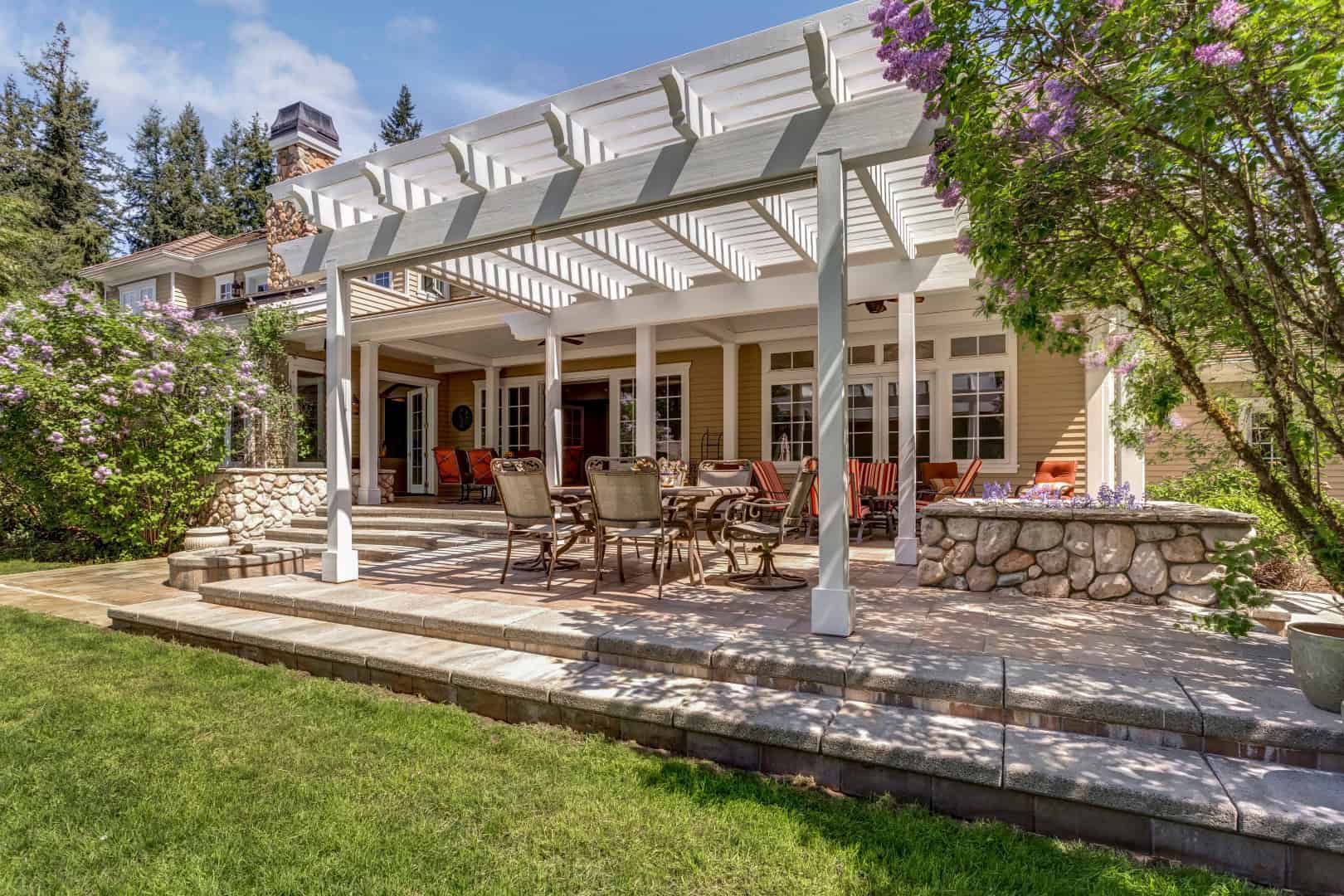
At its simplest, a covered outdoor area increases the number of customers you can seat comfortably. More seats mean more potential orders. However, the real value lies in consistency. An uncovered terrace might generate strong income during warm weekends but sit empty during rain. A sheltered space allows you to maintain occupancy levels more reliably.
For many venues, especially independent cafés and pubs, that stability can make a significant difference over the course of a year. When customers know they can rely on your outdoor area regardless of weather, it becomes part of your brand identity. People choose venues where they feel confident about comfort.
From our conversations with hospitality clients, it is often the shoulder seasons that reveal the biggest benefit. Spring and autumn trading improve noticeably when outdoor seating remains viable despite cooler or wetter days.
Enhancing Customer Experience
Modern customers are not just looking for somewhere to sit. They want atmosphere. Covered outdoor areas allow you to curate that atmosphere carefully. Lighting, heating, decorative features and integrated blinds can all work together to create a welcoming environment that feels intentional rather than improvised.
A veranda attached to a café can feel like an extension of the interior. A well-designed pergola in a pub garden can define a social space that encourages customers to linger. The longer customers stay, the more likely they are to order additional drinks or food.
Comfort is key. If guests feel exposed to rain or wind, they will not relax. Providing shelter signals that you value their experience. In competitive hospitality markets, that attention to detail can be the difference between a one-time visit and repeat custom.
Reducing Lost Trading Days
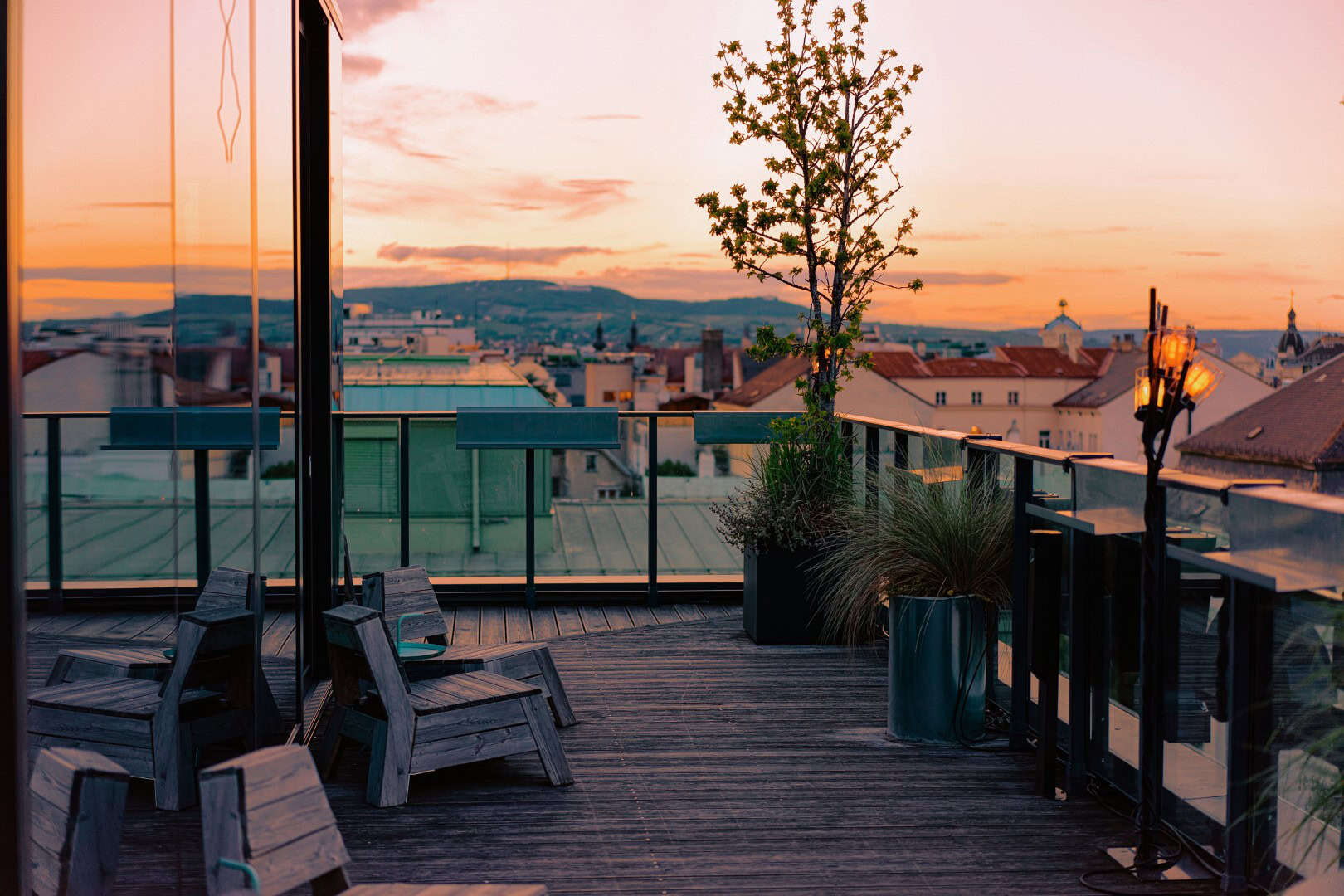
Every hospitality business owner understands the frustration of watching reservations cancel or walk-in traffic decline because of poor weather. In towns and cities where footfall fluctuates, losing outdoor capacity can create noticeable revenue gaps.
Covered structures reduce the number of days when outdoor areas are unusable. While extreme weather may still limit trade, light rain no longer forces a full retreat indoors. This is particularly valuable in urban settings where indoor space is limited and expanding the building footprint is not practical.
In many cases, installing a veranda or canopy is significantly more cost-effective than undertaking a full extension. It allows you to increase usable trading space without the complexity and disruption of major building works.
Extending the Trading Season
The UK’s traditional hospitality peak runs through late spring and summer. However, customer behaviour has shifted. People are increasingly comfortable dining and drinking outdoors in cooler temperatures, provided the space is well sheltered and heated.
Covered areas make it feasible to introduce outdoor heaters and lighting safely. This transforms a summer-only terrace into an autumn and even winter asset. Seasonal events, festive gatherings and private bookings can continue without concern about light rain or early darkness.
For rural pubs with large gardens, this can significantly extend profitability. For city cafés with limited frontage, it maximises every square metre of pavement or courtyard space.
The British Beer & Pub Association regularly highlights the importance of outdoor areas in modern pub trading models. As customer expectations evolve, venues that invest in adaptable outdoor spaces are better positioned for long-term resilience.
Planning and Licensing Considerations

Before investing, hospitality businesses must consider planning requirements and licensing implications. Local authorities may have guidelines regarding the size, height and placement of permanent structures. Pavement licences or outdoor seating permissions may also apply, particularly in town centres.
It is essential to review local council policies carefully. Guidance can often be found on individual council websites, and the Planning Portal provides an overview of development considerations.
A professionally designed structure that integrates well with the building and surrounding area is more likely to gain approval. Working with experienced installers who understand commercial requirements can simplify the process and ensure compliance with safety standards.
Protecting Furniture and Fixtures
Outdoor furniture represents a significant investment. Tables, chairs, soft furnishings and decorative features deteriorate more quickly when exposed to constant rain. Even high-quality materials suffer from repeated wetting and drying cycles.
Covered areas protect these assets. By reducing direct exposure to rainfall, businesses can extend the lifespan of furniture and reduce replacement costs. This contributes to the overall return on investment.
In addition, a sheltered environment makes it easier to maintain consistent presentation. Cushions and décor can remain in place rather than being removed daily due to weather concerns.
Supporting Operational Efficiency
There is also a practical operational benefit. Staff working in uncovered areas must constantly monitor weather changes, move furniture and manage customer complaints when rain begins. This disrupts service flow and increases workload during already busy periods.
With a covered structure, operations become smoother. Staff can focus on service rather than weather management. Customers are less likely to request sudden table moves, and reservations are more reliable.
Over time, this improved efficiency contributes to a calmer working environment and a more professional service experience.
Building a Competitive Edge
In many towns and cities, hospitality venues compete closely for the same customer base. A well-designed covered outdoor space can act as a differentiator. When potential customers walk past and see a comfortable, inviting terrace protected from rain, it creates immediate appeal.
Photographs of attractive outdoor areas also perform strongly on social media and review platforms. Visual appeal matters in modern marketing. A sheltered, styled space becomes a backdrop for customer photos, increasing organic visibility.
Investing in quality design rather than temporary solutions sends a message about the standard of your business. It suggests permanence, care and attention to detail.
Long-Term Value Versus Short-Term Cost

The question of worth ultimately comes down to balancing initial expenditure against long-term gain. While installing a veranda or pergola requires capital investment, the cumulative benefits over years of trading can be substantial.
Increased seating capacity, reduced lost trading days, extended seasonal use, lower furniture replacement costs and improved customer loyalty all contribute to financial return. For many hospitality businesses, especially those with limited expansion options, covered outdoor areas offer one of the most practical ways to grow revenue without relocating or undertaking major construction.
At Indigo Verandas, we encourage business owners to view outdoor structures not as decorative extras but as strategic assets. When designed thoughtfully and installed professionally, they enhance both profitability and brand perception.
So, Are They Worth It?
For most hospitality businesses operating in the UK, the answer is yes, provided the structure is tailored to your specific needs and location. The British climate is unlikely to change dramatically, and customer expectations for comfort will only increase.
Covered outdoor areas provide resilience against weather disruption, improve customer experience and support consistent trading throughout the year. They also protect investments in furniture and create distinctive, attractive spaces that draw people in.
Ultimately, the value lies not only in additional seats but in stability. In an industry where margins can be tight and conditions unpredictable, creating a reliable, adaptable outdoor environment can make a measurable difference to long-term success.