

Adding a veranda to your home is one of the most effective ways to enhance both your living space and your connection to the outdoors. At Indigo Verandas, we’ve seen first-hand how a well-designed veranda can transform a property, creating a stylish, functional area that can be enjoyed throughout the year. However, one of the most common questions we’re asked is whether planning permission is required before installing a veranda.
If you’re considering investing in verandas in Bristol or elsewhere in the UK, understanding the rules around planning permission is essential. While the process is often more straightforward than people expect, there are specific guidelines and exceptions that homeowners need to be aware of before starting a project.
Understanding Planning Permission in the UK
Planning permission is a formal approval from your local authority that allows you to carry out certain types of building work. It exists to ensure that developments are appropriate for their surroundings and do not negatively impact neighbours or the wider environment.
In many cases, homeowners benefit from what are known as permitted development rights. These rights allow you to make certain improvements to your property without needing to apply for full planning permission. Verandas often fall within this category, but it depends on several key factors relating to size, height, and placement.

Are Verandas Covered by Permitted Development?
In general, verandas are treated similarly to extensions or covered outdoor structures under UK planning rules. This means that some veranda installations can be completed without formal permission, provided they meet specific criteria.
The most important consideration is how the veranda is classified. A veranda attached to your house is usually considered an extension or an addition, whereas a freestanding structure may fall under outbuilding rules. In both cases, permitted development can apply, but only if strict conditions are followed.
One of the main restrictions relates to height. Structures that exceed certain height limits are more likely to require planning permission. Additionally, if your veranda extends too far from the original wall of your home or takes up a significant portion of your garden, it may fall outside permitted development allowances.
Key Factors That Affect Planning Permission
Several elements determine whether you will need planning permission for your bespoke veranda. These factors are assessed by your local planning authority and should be carefully considered before any installation begins.
The size of the veranda plays a major role. Larger structures are more likely to require approval, especially if they significantly alter the appearance of your property. The height of the structure is equally important, particularly if it impacts neighbouring properties or overlooks nearby gardens.
Location is another critical factor. Verandas built at the front of a property or facing a public road are more likely to need permission compared to those located at the rear. Properties in designated areas such as conservation areas, national parks, or Areas of Outstanding Natural Beauty are subject to stricter regulations.
The design and materials used can also influence the decision. A veranda that complements the existing property is more likely to be acceptable under permitted development than one that drastically changes its character.
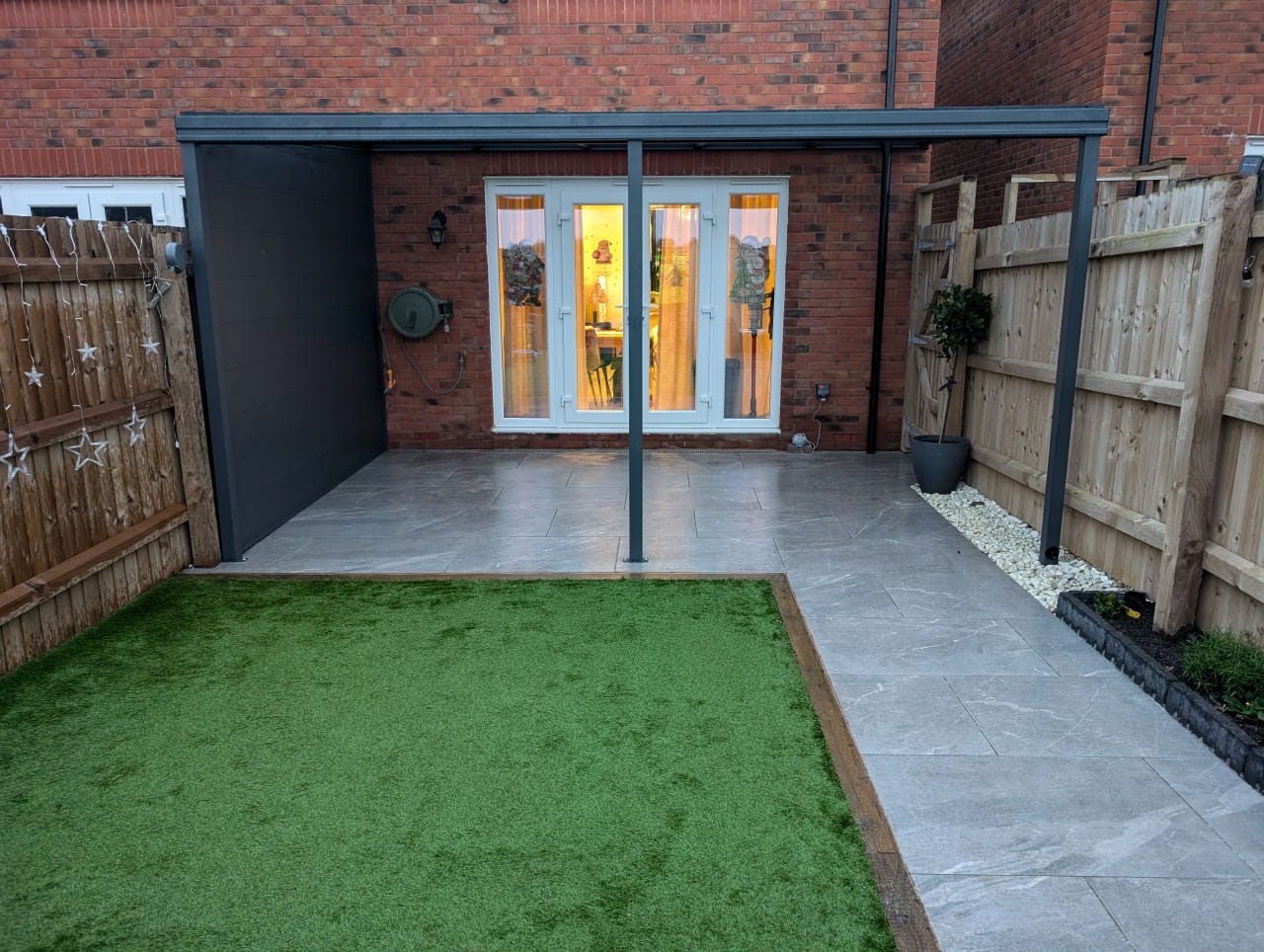
Special Considerations for Listed Buildings and Conservation Areas
If your property is listed or located within a conservation area, the rules become more restrictive. In these cases, even relatively minor changes can require planning permission or listed building consent.
Verandas can alter the appearance of a property significantly, particularly if they are attached to historic buildings. Local authorities will assess whether the addition preserves or enhances the character of the area. This means that even small verandas may need formal approval in these circumstances.
At Indigo Verandas, we always recommend checking with your local council if your property falls into one of these categories. It’s far better to confirm requirements early than to face complications later.
Building Regulations and Verandas
Planning permission is not the only consideration when installing a veranda. Building regulations may also apply, depending on the structure.
In many cases, verandas are exempt from building regulations if they are open structures and do not significantly alter the structural integrity of your home. However, if your veranda includes enclosed elements, electrical installations, or complex structural components, compliance may be required.
Ensuring that your veranda is structurally sound and safely installed is essential. Working with experienced professionals helps to guarantee that all relevant standards are met.

When You Will Definitely Need Planning Permission
There are certain scenarios where planning permission is almost always required. If your veranda exceeds permitted development limits in terms of size or height, an application will be necessary.
Properties that have had permitted development rights removed, either through planning conditions or local restrictions, will also require permission regardless of the structure’s size. This is more common than many homeowners realise.
If your veranda is likely to impact neighbouring properties, particularly in terms of privacy or light, your local authority may require a formal application. Situations where the veranda is raised or includes a platform can also trigger additional scrutiny.
The Application Process Explained
If you do need planning permission, the process is generally straightforward. You will need to submit detailed plans of your proposed veranda to your local council. These plans should include dimensions, materials, and positioning.
The council will assess your application based on local planning policies and any potential impact on the surrounding area. In some cases, neighbours may be consulted as part of the process.
Decisions typically take several weeks, although timelines can vary depending on the complexity of the application. Working with a company like Indigo Verandas can help streamline this process, as we understand what councils are looking for and how to present applications effectively.

Do Verandas Add Value to Your Home?
Beyond planning considerations, many homeowners wonder whether a veranda is a worthwhile investment. From our experience, the answer is a clear yes.
A well-designed veranda creates additional usable space, enhances the aesthetic appeal of your property, and can improve your overall quality of life. It provides a sheltered outdoor area that can be used in a variety of ways, from relaxing with family to entertaining guests.
In areas like Bristol, where outdoor living is increasingly popular, verandas can also make a property more attractive to potential buyers. While the exact value added will depend on the design and location, a high-quality installation is generally seen as a positive feature.
Why Professional Advice Matters
Planning rules can be complex, and while general guidance is helpful, every property is different. What applies to one home may not apply to another, even within the same neighbourhood.
At Indigo Verandas, we take a tailored approach to every project. We consider the specific characteristics of your property, your local planning authority’s requirements, and your personal preferences to deliver a solution that works on every level.
Seeking professional advice early in the process can save time, reduce stress, and help avoid costly mistakes. It also ensures that your veranda is designed and installed to the highest possible standards.
Common Misconceptions About Planning Permission
One of the biggest misconceptions is that all verandas require planning permission. In reality, many fall within permitted development and can be installed without formal approval.
Another common misunderstanding is that planning permission guarantees approval. While it provides the legal framework for development, each application is assessed individually, and there is always a possibility of refusal.
Some homeowners also assume that if a neighbour has built a similar structure, they can do the same. However, planning decisions are based on specific circumstances, and past approvals do not automatically set a precedent.
How Indigo Verandas Can Help
Navigating planning permission can feel daunting, but it doesn’t have to be. At Indigo Verandas, we guide our clients through every stage of the process, from initial design to final installation.
We have extensive experience working with local authorities across the UK and understand how to design verandas that meet both regulatory requirements and client expectations. Our goal is to make the process as smooth and straightforward as possible.
Whether you’re at the early stages of considering a veranda or ready to move forward with a project, our team is here to help you make informed decisions.
Final Thoughts
So, do you need planning permission for a veranda? The answer depends on several factors, including the size, height, and location of the structure, as well as the specific characteristics of your property.
In many cases, verandas can be installed under permitted development rights, making the process quicker and simpler than expected. However, it’s always important to verify your situation before proceeding.
By understanding the rules and working with experienced professionals, you can ensure that your veranda project is both compliant and successful. At Indigo Verandas, we’re committed to helping homeowners create beautiful outdoor spaces with confidence, clarity, and peace of mind. Get in touch to find out more.